Resources
Resources
How Body Doubling Supports the Creative Process

Megan L
|
Here’s something that might actually be comforting: creativity doesn't always start with a lightning bolt.
Sometimes it starts with proximity.
When you're in a space where other people are working, focusing, creating, your brain picks up on that. It's almost like your nervous system goes: "Oh. This is what we're doing right now."
This feedback loop is at the heart of why we built an entire platform to support Body Doubling.
Body Doubling works because focus is contagious!
This week, we're exploring all the ways that Body Doubling can fire up your creative process.
Borrowing Focus
Seeing someone else in a flow state actually lowers the activation energy it takes for you to begin. For those of you who might not remember from chemistry class, activation energy is the minimum energy required to initiate a chemical reaction 🧪
The thing is, you don't have to generate motivation from scratch. You can borrow it.
So instead of asking yourself: "Am I inspired enough to start?"
Try asking: "Can I sit in the energy of starting, even if it’s uncomfortable?"
Just showing up, and being willing to try, is part of the creative process.
And if your brain still resists? Try the "just open it" rule.
Open the file. The canvas. The doc. Nothing else. Don't write anything, don't sketch anything: just open it.
Because getting started is the hardest part. And once something is open in front of you, you've already taken the first step to making progress.
Start before you feel ready, and try to trust the process.
📣 P.S. Before you start, name one small, concrete thing you want to work on. Not "make progress." Something tangible, like "sketch three concepts" or "write the opening paragraph."
Staying Through “The Dip”
Okay, so you got started. Now what?
Perhaps, you began with momentum, a clear idea, and some excitement. And then it gets a little murky. The plan feels less certain. And you may start to question: maybe this isn't that good 🥲
That’s the creative dip. It doesn’t mean something’s wrong, it just means you’re deeper in the process.
This is where many people step away. The beginning feels good. The dip absolutely does not.
But here’s something important to remember: that feeling isn’t a verdict. It’s a phase.
When you’re alone, the dip can feel louder. It’s easier to spiral, switch tasks, or postpone. In a shared space, something shifts, you see others in their own “messy middles”, still going. And that can help you stay with it.
If you hit that wall today, don’t force it. Shrink the work down. One paragraph. One sketch. One small step. Tiny progress still counts.
Like hiking, the trail doesn’t disappear when it gets steep: it just asks a little more of you. The messy middle isn’t a creativity-breaking detour. You can think of it as the phase where the true work of creativity begins, even if it's a little painful.
You don’t have to feel confident to continue. Just stay with it, and if you need to reconnect: return to the reason why you started.
⏱️ Try this: Impose a “15 more minutes” rule before quitting or pivoting.
Building Your Creative Practice
Let's talk about the quieter side of creativity: learning.
Not the exciting, spark-filled kind, but the slower kind: the confusing tutorials, the new tools that don’t click right away, the moments where you feel like a beginner again.
While learning can be fun at times, there can also be phases that feel uncomfortable, even vulnerable, and it’s natural to want to avoid them.
Learning asks you to stay present with uncertainty a little longer than feels comfortable.
This is where a shared space can quietly help. You don’t have to rely on motivation alone, you can borrow the structure of the room, the simple fact that others are here, working and figuring things out too, and let that support you as you try something new.
A small reframe: you don’t have to understand everything today. Just give it ten minutes of exposure. Let the idea, tool, or concept be unfamiliar. Familiarity can become fluency, with time.
So today, I invite you to bring lightness to your process and try exploring your creative tools, instead of understanding every piece all at once.
⏳ Try “just 10 minutes” of learning
🌱 Let yourself be new at something without rushing it
👀 Focus on exposure, not mastery
🐌 Stay even if it feels slow or awkward
Softening the Pressure
When working on a project or task, it can be easy to put pressure on ourselves that what we're working on must be “impressive” or “worth it.”
But creativity is more of a practice than a performance, something to return to, not something to prove.
When the brain feels evaluated or judged, our amygdala can activate a stress response, which can make it harder to think flexibly or generate new ideas.
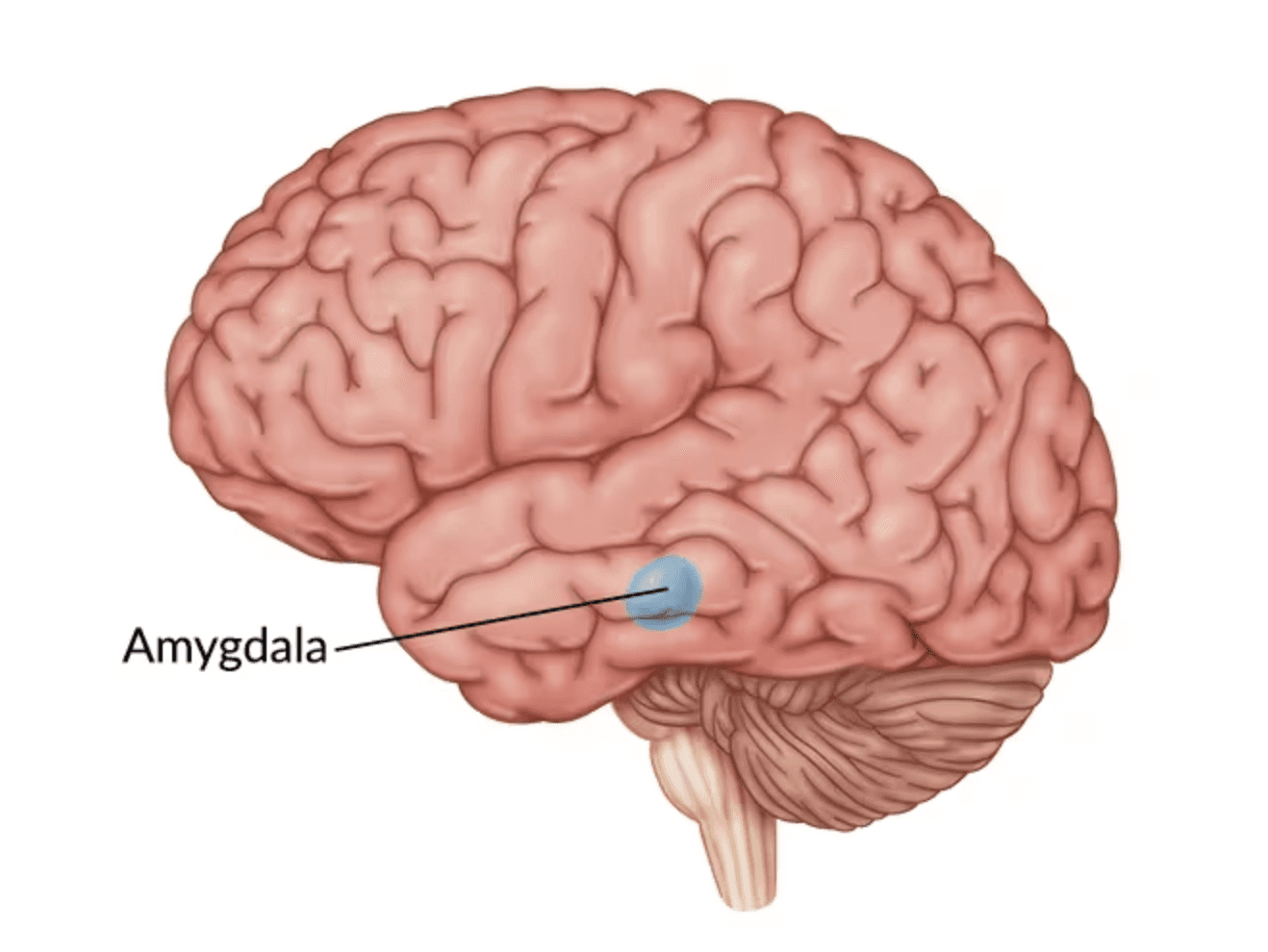
But when the pressure softens, even a little, the prefrontal cortex can relax into more open, creative thinking. That’s where creativity tends to live.
That’s part of what Body Doubling can support. Being in a shared space can gently shift the focus.
It’s less about proving something and more about being alongside others who are also showing up.
That sense of presence can help regulate the nervous system, making it easier to stay with the work even when it’s a bit messy or unfinished.
Three Reflection Questions
How might it feel to measure your time spent instead of the output you produce today?
What would it look like to approach today as a “practice round” rather than a performance?
If you didn’t need to finish anything for this session to count, how would you choose to show up?
Building Your Creative Ecosystem
So far, we’ve explored different parts of the creative process: starting, staying, learning, and softening pressure.
We're going to close by zooming out. A reminder that creativity happens in environments. Your brain is always responding to those environments.
When something feels supportive, even subtly, it becomes easier to begin and easier to keep going.
When it doesn’t, everything can feel heavier than it needs to.
Body Doubling can be one small, steady part of a supportive system.
Not something that forces productivity, but something you can return to.
A space that holds a bit of structure when your own feels low. Because there will be days when motivation dips. When doubt shows up. When you just don’t want to do it alone. I want to remind all of us that those days are all part of the process.
Like tending to a garden, creativity needs different things at different times. Some days you’re energized. Some days you might feel unsure. Some days, just showing up is the work.
So today, I invite you to ask yourself: “How can I support myself in continuing?”
What rhythms, spaces, or supports make it easier to come back?
✧˖°. ⋆。˚:✧。
We hope this post helped you think differently about the "messy middle" phases of the creative process!
P.S. If you aren't a member of Focused Space, but could use help accomplishing your goals, busting through procrastination, or getting motivated… you are welcome to join us at one of our live guided work sessions, or morning planning sessions!
Take care,
— Anna and the focused space team
Here’s something that might actually be comforting: creativity doesn't always start with a lightning bolt.
Sometimes it starts with proximity.
When you're in a space where other people are working, focusing, creating, your brain picks up on that. It's almost like your nervous system goes: "Oh. This is what we're doing right now."
This feedback loop is at the heart of why we built an entire platform to support Body Doubling.
Body Doubling works because focus is contagious!
This week, we're exploring all the ways that Body Doubling can fire up your creative process.
Borrowing Focus
Seeing someone else in a flow state actually lowers the activation energy it takes for you to begin. For those of you who might not remember from chemistry class, activation energy is the minimum energy required to initiate a chemical reaction 🧪
The thing is, you don't have to generate motivation from scratch. You can borrow it.
So instead of asking yourself: "Am I inspired enough to start?"
Try asking: "Can I sit in the energy of starting, even if it’s uncomfortable?"
Just showing up, and being willing to try, is part of the creative process.
And if your brain still resists? Try the "just open it" rule.
Open the file. The canvas. The doc. Nothing else. Don't write anything, don't sketch anything: just open it.
Because getting started is the hardest part. And once something is open in front of you, you've already taken the first step to making progress.
Start before you feel ready, and try to trust the process.
📣 P.S. Before you start, name one small, concrete thing you want to work on. Not "make progress." Something tangible, like "sketch three concepts" or "write the opening paragraph."
Staying Through “The Dip”
Okay, so you got started. Now what?
Perhaps, you began with momentum, a clear idea, and some excitement. And then it gets a little murky. The plan feels less certain. And you may start to question: maybe this isn't that good 🥲
That’s the creative dip. It doesn’t mean something’s wrong, it just means you’re deeper in the process.
This is where many people step away. The beginning feels good. The dip absolutely does not.
But here’s something important to remember: that feeling isn’t a verdict. It’s a phase.
When you’re alone, the dip can feel louder. It’s easier to spiral, switch tasks, or postpone. In a shared space, something shifts, you see others in their own “messy middles”, still going. And that can help you stay with it.
If you hit that wall today, don’t force it. Shrink the work down. One paragraph. One sketch. One small step. Tiny progress still counts.
Like hiking, the trail doesn’t disappear when it gets steep: it just asks a little more of you. The messy middle isn’t a creativity-breaking detour. You can think of it as the phase where the true work of creativity begins, even if it's a little painful.
You don’t have to feel confident to continue. Just stay with it, and if you need to reconnect: return to the reason why you started.
⏱️ Try this: Impose a “15 more minutes” rule before quitting or pivoting.
Building Your Creative Practice
Let's talk about the quieter side of creativity: learning.
Not the exciting, spark-filled kind, but the slower kind: the confusing tutorials, the new tools that don’t click right away, the moments where you feel like a beginner again.
While learning can be fun at times, there can also be phases that feel uncomfortable, even vulnerable, and it’s natural to want to avoid them.
Learning asks you to stay present with uncertainty a little longer than feels comfortable.
This is where a shared space can quietly help. You don’t have to rely on motivation alone, you can borrow the structure of the room, the simple fact that others are here, working and figuring things out too, and let that support you as you try something new.
A small reframe: you don’t have to understand everything today. Just give it ten minutes of exposure. Let the idea, tool, or concept be unfamiliar. Familiarity can become fluency, with time.
So today, I invite you to bring lightness to your process and try exploring your creative tools, instead of understanding every piece all at once.
⏳ Try “just 10 minutes” of learning
🌱 Let yourself be new at something without rushing it
👀 Focus on exposure, not mastery
🐌 Stay even if it feels slow or awkward
Softening the Pressure
When working on a project or task, it can be easy to put pressure on ourselves that what we're working on must be “impressive” or “worth it.”
But creativity is more of a practice than a performance, something to return to, not something to prove.
When the brain feels evaluated or judged, our amygdala can activate a stress response, which can make it harder to think flexibly or generate new ideas.
But when the pressure softens, even a little, the prefrontal cortex can relax into more open, creative thinking. That’s where creativity tends to live.
That’s part of what Body Doubling can support. Being in a shared space can gently shift the focus.
It’s less about proving something and more about being alongside others who are also showing up.
That sense of presence can help regulate the nervous system, making it easier to stay with the work even when it’s a bit messy or unfinished.
Three Reflection Questions
How might it feel to measure your time spent instead of the output you produce today?
What would it look like to approach today as a “practice round” rather than a performance?
If you didn’t need to finish anything for this session to count, how would you choose to show up?
Building Your Creative Ecosystem
So far, we’ve explored different parts of the creative process: starting, staying, learning, and softening pressure.
We're going to close by zooming out. A reminder that creativity happens in environments. Your brain is always responding to those environments.
When something feels supportive, even subtly, it becomes easier to begin and easier to keep going.
When it doesn’t, everything can feel heavier than it needs to.
Body Doubling can be one small, steady part of a supportive system.
Not something that forces productivity, but something you can return to.
A space that holds a bit of structure when your own feels low. Because there will be days when motivation dips. When doubt shows up. When you just don’t want to do it alone. I want to remind all of us that those days are all part of the process.
Like tending to a garden, creativity needs different things at different times. Some days you’re energized. Some days you might feel unsure. Some days, just showing up is the work.
So today, I invite you to ask yourself: “How can I support myself in continuing?”
What rhythms, spaces, or supports make it easier to come back?
✧˖°. ⋆。˚:✧。
We hope this post helped you think differently about the "messy middle" phases of the creative process!
P.S. If you aren't a member of Focused Space, but could use help accomplishing your goals, busting through procrastination, or getting motivated… you are welcome to join us at one of our live guided work sessions, or morning planning sessions!
Take care,
— Anna and the focused space team
Join our community
✨ Bust through procrastination with our inspiring community ✨
Tap more to learn about focused space
Join our community
✨ Bust through procrastination with our inspiring community ✨
Tap more to learn about focused space
Join our community
✨ Bust through procrastination with our inspiring community ✨