How does social media change the way we communicate?
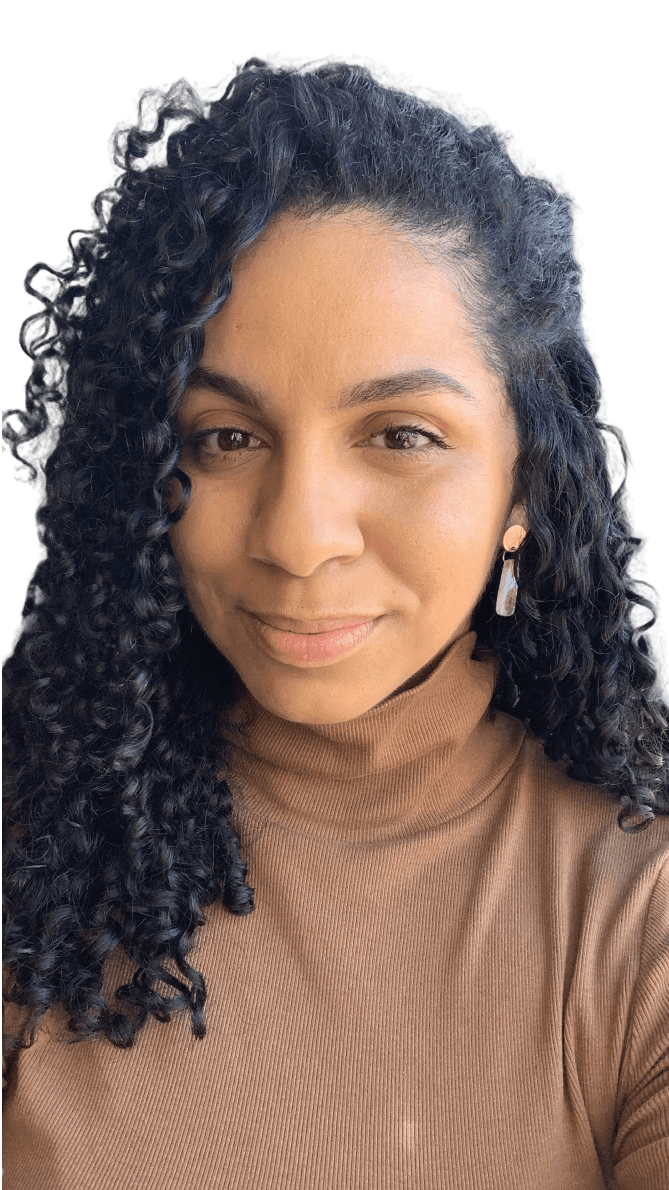
Suliel S
|
Lately, we've been inspired by the book ‘Algospeak: How Social Media Is Transforming the Future of Language’ by Adam Aleksic, who is also known as @etymologynerd on YouTube.
Algospeak dives into the creative, sneaky, and fascinating ways language is shaped by the way we communicate online.
Over the last decade, social media has shifted how fast language evolves, what words become popular, and how we communicate emotion online.
Trends, memes, and new shorthand show up overnight — and suddenly we’re speaking in ways that didn’t even exist a year ago.
If the online world is influencing our words, it’s probably also influencing how we relate to other people, how we express ourselves, and how we understand each other.
In short: language shapes connection. Let's get into it.
Why does online language keep shifting?
People often change the way they speak online to stay visible (or safe) inside spaces where algorithms have more power than we think.
They develop shorthand online to adapt, connect with others, or even protect themselves in a world where an algorithm filters basically… everything.
That might look like tweaking spelling, swapping out certain words, stretching vowels, adding emojis, or making up phrases that only make sense if you’re “in the know.”
Think of people saying “unalive” instead of “dead,” or using emojis as a stand-in for certain types of content the algorithm might flag.
Sometimes people will stretch out words, or intentionally misspell them just to slip past filters.
It's a strategy. People adjust how they talk to stay searchable, continue to make money if they are content creators, avoid being flagged, or simply keep a post from disappearing into the void.
And honestly? It’s pretty interesting that entire communities have formed their own dialects purely because of the pressures of moderation and algorithmic filtering.
Two things to ponder…
Notice one phrase you use today that came from the internet. No judgment — just awareness.
Pay attention to any moment today where you avoid a word or idea online. What influenced that choice?
The Algorithm and Emojis
Online, tone can get lost fast, so emojis have basically become our punctuation marks.
And because platforms scan text for meaning, emojis end up doing double duty: they soften statements, redirect the algorithm, or signal something only certain groups would understand.
A simple 🙂 can turn a sharp sentence into something neutral.
A 😭 might not mean sadness at all, it might mean “I’m screaming,” “soooo relatable,” or “I’m being dramatic.”
We also use emojis strategically to keep a message from being read (or misread) by the algorithm.
For example:
Want to reference something sensitive without getting flagged? Swap in 🍃, 💊, or 💔
Want to express frustration without the platform assuming it’s aggression? Use 😮💨 or 🙃
Want to make something seem less harsh? Add 😅 or 😊
These tiny images completely change how the algorithm treats our posts and how people interpret them.
Before we move on: Which emojis feel most YOU, and what do they help you say that plain words don’t?
Slang and Micro-Communities
From TikTok trends, subreddit lingo, to phrases like “brainrot” and “delulu”, to style descriptions like “cottage-core,” “grandma-core,” etc — online spaces develop their own language that only makes sense if you’re “in the know.”
When you use them, you signal that you understand the culture, the joke, or the shared values of that community.
Algorithms reward engagement, visibility, and creativity, by pushing certain words and phrases into your feed, while others fade away.
On top of that, online language is constantly evolving and by noticing the patterns, we see how algorithms influence not just what we see, but what we say and how we belong.
Today, I invite you to pay attention to one topic, community, or creator you engage with online. Notice what language they use and reflect on whether you’ve started adopting those words too.
Censorship and Digital Erasure
Algorithms and moderation systems actively filter, hide, or downrank certain words and phrases.
Most often it is related to politics, mental health, sexuality, or marginalized communities.
Some of this is designed to protect users, but other times it’s overly broad, removing or muting language that people want and need to use.
The result? Certain ways of speaking vanish from feeds, trending pages, and even conversations altogether.
Trends, slang, and phrases survive or vanish depending on how algorithms respond.
By noticing which words are promoted, hidden, or transformed, we get a window into how the online world influences what we say, what we can say, and who feels included in the conversation.
Our final challenge
Today, notice one instance where a word, topic, or phrase is spelled differently, coded, or softened online.
Reflect on why people might do this and what it says about how algorithms shape the conversations we’re able to have.
✧˖°. ⋆。˚:✧。
Thanks for going with us on this nerdy journey about how algorithms are shaping the way we communicate!
I hope it sparked some curiosity, a little wonder, and maybe even a new way of noticing the words we use online.
P.S. If you aren't a member of Focused Space, but could use help accomplishing your goals, busting through procrastination, or getting motivated… you are welcome to join us at one of our live guided work sessions, or morning planning sessions!
Take care,
— Suliel and the focused space team