Resources
Resources
How to get back on track with your goals

Kaila B
|

According to US News and World Report, about 80% of New Year’s resolutions are said to fail around mid-February.
Whether you set New Year’s Resolutions this year, or you're curious about how to stay consistent when things get tough, this week’s theme will help you check in with yourself and get back on track with the things you care about.
Check in with your values.
First, let's look at the foundational pieces of your goal to make sure it is actually sustainable.
You might think that sustainability only has to do with how big or ambitious a goal is… but it also has to do with how well it fits into your life in a deeper way.
Aligning a goal with what actually matters to us — instead of what we think should matter to us — gives us a better chance of sticking with it during tough times.
If you have a goal that you set a long time ago, it can be helpful to check in with yourself.
Does it matter to you as much as it did when you set the goal?
If not, releasing it frees you up for a new goal that might matter more to you at this moment in your life.
It can also be helpful to consider what we call “goal harmony” or the concept of your goals working with each other instead of creating conflict in your life.
For example, do you have two goals that both require hours of your time every day? If so, that’s an example of a place where your goals might be in tension instead of harmony.
Questions to ask yourself:
✨Align your goals with your values: Why do your goals matter to you? If it’s a goal you set a long time ago, check in with yourself. Does it matter to you as much as it did when you set the goal?
⚖️ Consider if your goals are in harmony. Are they balanced? Are they prioritized? If every goal has the same priority, it can be difficult to make decisions about how to split your time on the days when you can’t do it all. (And you're going to have those days 😜)
Give yourself grace.
If you've fallen off your goals, it might be helpful to consider the story you're telling yourself about them.
The way we think about our goals can have a powerful effect on how we make progress towards them.
Our thoughts influence our feelings → our feelings influence our behaviors → and our behaviors are ultimately what get us making progress (or not).
A negative mindset around what success or failure looks like impacts our ability to be resilient and make progress towards our goals.
We encourage you to consider your thoughts and feelings through the lens of self-compassion.
Self-compassion allows us to have grace for ourselves when facing challenges, and reframe them as learning opportunities.
This mindset shift can help us stay motivated and emotionally regulated so that we can think through our next best step.
Self-compassion can also sound like understanding that the world is challenging right now, and that may impact how we are showing up for ourselves and others.
Ditch “all-or-nothing” thinking
Here at focused space, we often reference this quote from James Clear:
“Goals are about setting a direction, systems are for making progress.”
Goals are often too rigid or a huge leap from your current lifestyle.
For example, let’s take the classic example of wanting to work out at the gym, let’s say 5x a week.
This goal sounds like it’s going for consistency and intensity at the same time.
In order to be consistent, it actually helps to have flexible options.
Maybe there is a menu of different options for movement that you can fit into your current lifestyle. The gym can be one option, along with a walk outside your house, a 5-min home workout, etc.
Think of your goals like a dial that you can turn up or down as opposed to an on/off switch.
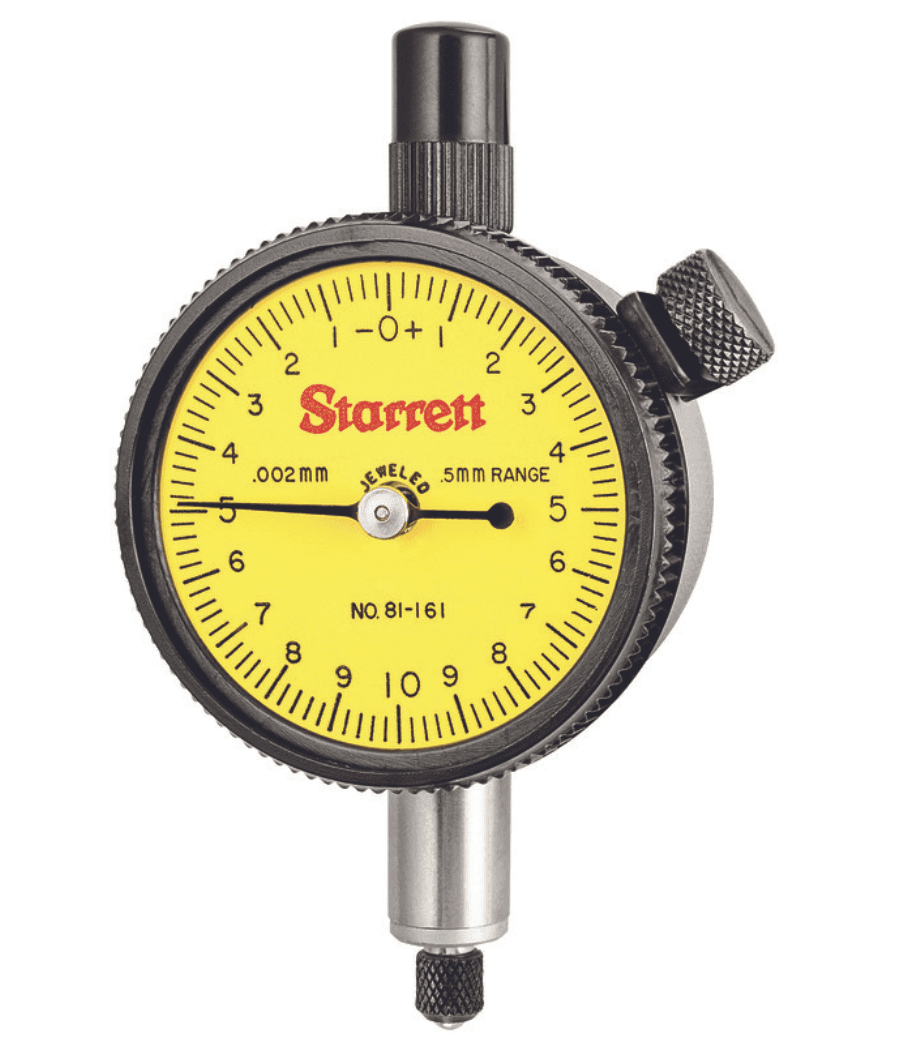
You can think of level 1 on the dial as the smallest thing you can do towards your goal on low-energy days. Level 5 on the dial can be those days where you have a lot of energy and time.
Level 3 can be your average day. This is what helps build flexibility into how this goal gets accomplished and helps you stick with it.
Most goals are set up in a way that assumes that you’re on level 5 every day, when that’s not how life typically goes.
Showing up the best way you can each day is how you can keep momentum going.
Bonus tip: Try turning your “won’t” into a “will”
Example:
❌ I won’t drink as much coffee
✅ I will drink more water
Don’t underestimate the power of fun!
Our next tip was developed by behavioral economist Katy Milkman: "Temptation Bundling."
This technique helps overcome procrastination and builds motivation, too.
Temptation bundling is a self-control strategy that pairs a less-enjoyable, necessary task (a "should") with an instantly gratifying activity you love (a "want").
Some examples include:
Only listening to your favorite podcast while exercising…
Or only watching Netflix while folding laundry, to make the chore more appealing and build better habits by leveraging immediate rewards for long-term goals.
Start over as many times as you need.
When people set goals at the beginning of the year, they are leaning on the motivation caused by the “Fresh Start Effect."
The "Fresh Start Effect" is a psychological phenomenon that suggests that people are more likely to gain motivation for aspirational goals at a temporal landmark, like a day or event that marks a significant passage of time.
We all experience that collectively at times like at the start of the New Year, hence the popularity of New Year’s resolutions, but it could also be your birthday or an anniversary.
We can harness this energy when getting back on track with our goals, too.
You can make your own milestones within your goal, or you can choose to reflect on a weekly or monthly basis.
Reflecting allows you to celebrate wins and bring awareness to your strengths, which are especially helpful when facing challenges.
Give yourself permission to start over as many times you like.
Plans are just a baseline — they are meant to shift based on the information you learn along the journey.
✧˖°. ⋆。˚:✧。
We hope you learned something new that will help you get back to your goals, even if you've fallen off! We're rooting for you.
P.S. At Focused Space, our community is full of artists, designers, creatives, writers, and entrepreneurs who imagine and build different and better worlds every day.
If you aren't a member of Focused Space, but could use help accomplishing your goals, busting through procrastination, or getting motivated… you are welcome to join us at one of our live guided work sessions, or morning planning sessions!
Take care,
— Kaila and the focused space team
According to US News and World Report, about 80% of New Year’s resolutions are said to fail around mid-February.
Whether you set New Year’s Resolutions this year, or you're curious about how to stay consistent when things get tough, this week’s theme will help you check in with yourself and get back on track with the things you care about.
Check in with your values.
First, let's look at the foundational pieces of your goal to make sure it is actually sustainable.
You might think that sustainability only has to do with how big or ambitious a goal is… but it also has to do with how well it fits into your life in a deeper way.
Aligning a goal with what actually matters to us — instead of what we think should matter to us — gives us a better chance of sticking with it during tough times.
If you have a goal that you set a long time ago, it can be helpful to check in with yourself.
Does it matter to you as much as it did when you set the goal?
If not, releasing it frees you up for a new goal that might matter more to you at this moment in your life.
It can also be helpful to consider what we call “goal harmony” or the concept of your goals working with each other instead of creating conflict in your life.
For example, do you have two goals that both require hours of your time every day? If so, that’s an example of a place where your goals might be in tension instead of harmony.
Questions to ask yourself:
✨Align your goals with your values: Why do your goals matter to you? If it’s a goal you set a long time ago, check in with yourself. Does it matter to you as much as it did when you set the goal?
⚖️ Consider if your goals are in harmony. Are they balanced? Are they prioritized? If every goal has the same priority, it can be difficult to make decisions about how to split your time on the days when you can’t do it all. (And you're going to have those days 😜)
Give yourself grace.
If you've fallen off your goals, it might be helpful to consider the story you're telling yourself about them.
The way we think about our goals can have a powerful effect on how we make progress towards them.
Our thoughts influence our feelings → our feelings influence our behaviors → and our behaviors are ultimately what get us making progress (or not).
A negative mindset around what success or failure looks like impacts our ability to be resilient and make progress towards our goals.
We encourage you to consider your thoughts and feelings through the lens of self-compassion.
Self-compassion allows us to have grace for ourselves when facing challenges, and reframe them as learning opportunities.
This mindset shift can help us stay motivated and emotionally regulated so that we can think through our next best step.
Self-compassion can also sound like understanding that the world is challenging right now, and that may impact how we are showing up for ourselves and others.
Ditch “all-or-nothing” thinking
Here at focused space, we often reference this quote from James Clear:
“Goals are about setting a direction, systems are for making progress.”
Goals are often too rigid or a huge leap from your current lifestyle.
For example, let’s take the classic example of wanting to work out at the gym, let’s say 5x a week.
This goal sounds like it’s going for consistency and intensity at the same time.
In order to be consistent, it actually helps to have flexible options.
Maybe there is a menu of different options for movement that you can fit into your current lifestyle. The gym can be one option, along with a walk outside your house, a 5-min home workout, etc.
Think of your goals like a dial that you can turn up or down as opposed to an on/off switch.
You can think of level 1 on the dial as the smallest thing you can do towards your goal on low-energy days. Level 5 on the dial can be those days where you have a lot of energy and time.
Level 3 can be your average day. This is what helps build flexibility into how this goal gets accomplished and helps you stick with it.
Most goals are set up in a way that assumes that you’re on level 5 every day, when that’s not how life typically goes.
Showing up the best way you can each day is how you can keep momentum going.
Bonus tip: Try turning your “won’t” into a “will”
Example:
❌ I won’t drink as much coffee
✅ I will drink more water
Don’t underestimate the power of fun!
Our next tip was developed by behavioral economist Katy Milkman: "Temptation Bundling."
This technique helps overcome procrastination and builds motivation, too.
Temptation bundling is a self-control strategy that pairs a less-enjoyable, necessary task (a "should") with an instantly gratifying activity you love (a "want").
Some examples include:
Only listening to your favorite podcast while exercising…
Or only watching Netflix while folding laundry, to make the chore more appealing and build better habits by leveraging immediate rewards for long-term goals.
Start over as many times as you need.
When people set goals at the beginning of the year, they are leaning on the motivation caused by the “Fresh Start Effect."
The "Fresh Start Effect" is a psychological phenomenon that suggests that people are more likely to gain motivation for aspirational goals at a temporal landmark, like a day or event that marks a significant passage of time.
We all experience that collectively at times like at the start of the New Year, hence the popularity of New Year’s resolutions, but it could also be your birthday or an anniversary.
We can harness this energy when getting back on track with our goals, too.
You can make your own milestones within your goal, or you can choose to reflect on a weekly or monthly basis.
Reflecting allows you to celebrate wins and bring awareness to your strengths, which are especially helpful when facing challenges.
Give yourself permission to start over as many times you like.
Plans are just a baseline — they are meant to shift based on the information you learn along the journey.
✧˖°. ⋆。˚:✧。
We hope you learned something new that will help you get back to your goals, even if you've fallen off! We're rooting for you.
P.S. At Focused Space, our community is full of artists, designers, creatives, writers, and entrepreneurs who imagine and build different and better worlds every day.
If you aren't a member of Focused Space, but could use help accomplishing your goals, busting through procrastination, or getting motivated… you are welcome to join us at one of our live guided work sessions, or morning planning sessions!
Take care,
— Kaila and the focused space team
Join our community
✨ Bust through procrastination with our inspiring community ✨
Tap more to learn about focused space
Join our community
✨ Bust through procrastination with our inspiring community ✨
Tap more to learn about focused space
Join our community
✨ Bust through procrastination with our inspiring community ✨