Resources
Resources
Work like a Sloth

Mark P.
|

This week, we're taking productivity advice from a slightly unconventional expert: the sloth.
Sloths look like they're kinda bad at the evolutionary chain.
They're slow. They’re not very muscular. And they’re sorta the couch potatoes of animals… they sleep A LOT.
Stand a sloth next to animals people tend to be impressed by (like lions, tigers, or bears) and it’s obvious who's getting picked last in gym class.
But, that slowness is a BIG part of the sloth's survival strategy. Sloths have extremely low metabolic rates, and they've adapted their behavior to conserve their limited energy.
And that got us thinking about the way we approach our own productivity.
We often build schedules for an imaginary version of ourselves: where we wake up refreshed every morning, have unlimited attention, never get distracted and can easily move from one task to another all day.
And then reality shows up.
So this week, instead of asking: “Why can't I work like that?” .... We're going to ask a different question: “How do I actually work?”
Because productivity isn't about transforming into some different animal, it's more about understanding the one you already are.
Maybe you’re not a lion, tiger, or bear (and that’s ok!)
Some questions to reflect on
Think about a day when work felt surprisingly easy.
🔎 Where were you?
⏰ What time was it?
👥 Were you alone or with people?
🧠 What kind of work were you doing?
⚡ What was your energy like?
This isn’t meant to be some sort of fix today. Just use this exercise to understand how YOUR particular animal thrives.
Bring the energy of a true treehugger
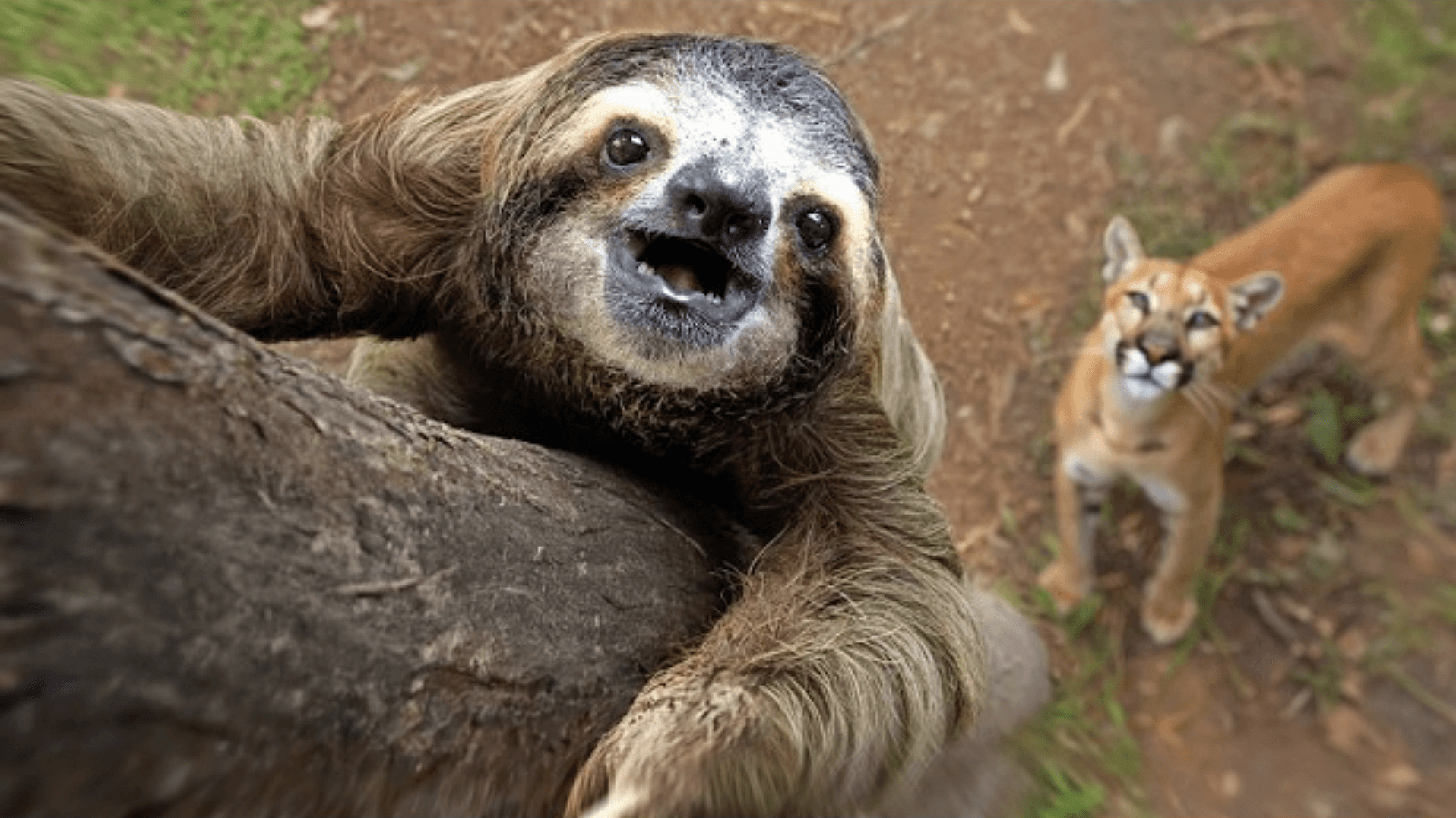
Here's one of the sloth's greatest tricks: budgeting energy.
Sloths have unusually slow metabolisms. The leaves they eat provide relatively little energy, so they've adapted by using that energy carefully (like sleeping peacefully snuggling trees… ahhhh, one can daydream about such a life).
Humans on the other hand? We look at a calendar, see eight available hours, and assume we have eight equal hours of productivity.
But think about your day. What’s your brain really like at 9am versus 3pm? Does it even feel like the same person’s brain?
We manage our time constantly. But we rarely look into managing energy.
Instead of asking: “When do I have time to do this?”... try asking: “When do I have the right kind of energy to do this?”
Maybe your most cognitively demanding task belongs in your high-energy hours, and something like emails should wait for lower-energy ones.
Some people call that laziness… we call it budgeting.
Some questions to reflect on
Take today's tasks and quickly label them:
🔥 HIGH: Needs real brainpower
🌤️ MEDIUM: Requires some attention
🦥 LOW: I can do this running on fumes
Now compare that list with your energy throughout the day… are you spending your best energy on the work that actually needs it??
Sloooow doesn’t always equal laaaazy
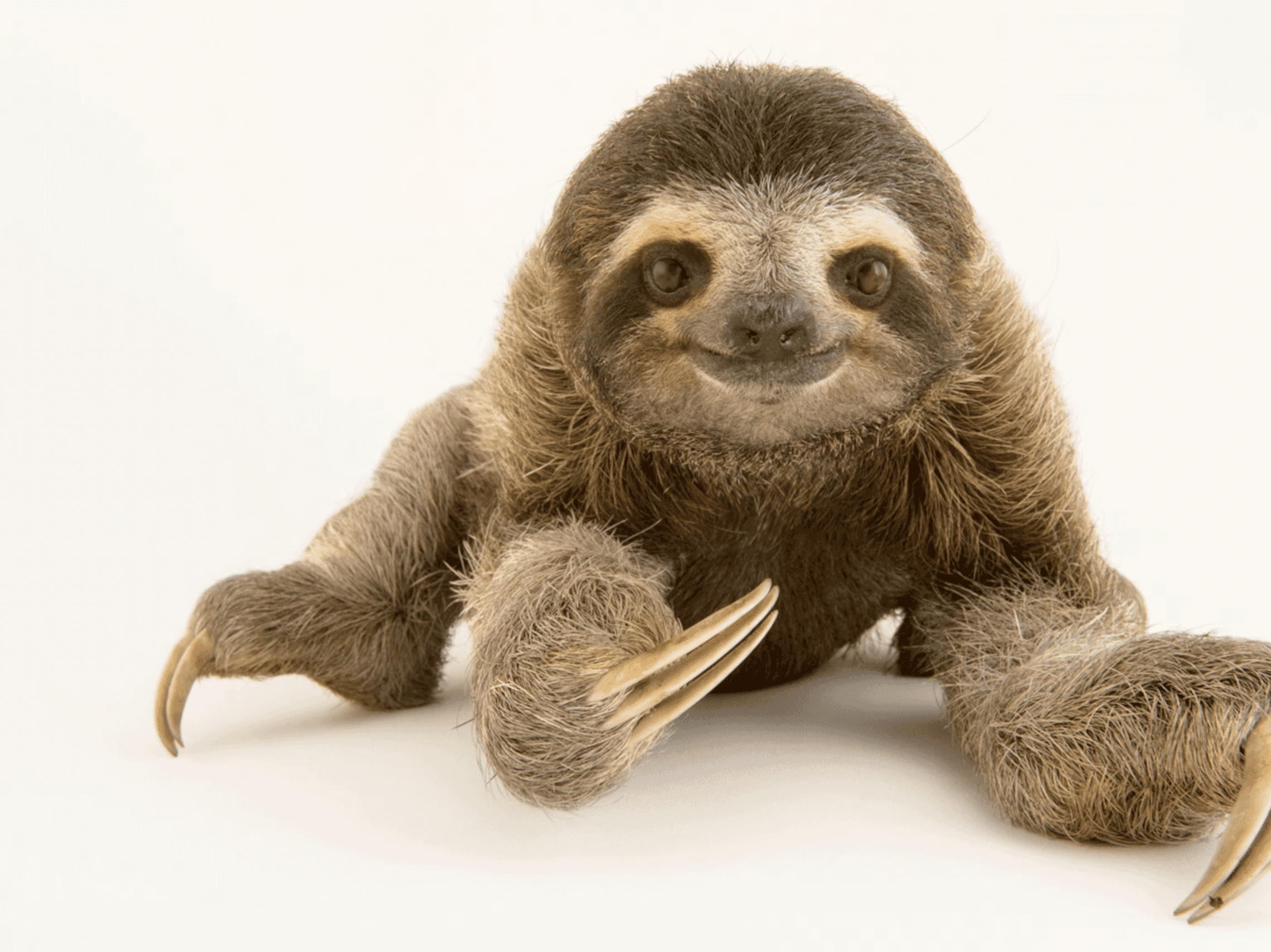
Let's address the elephant (or sloth) in the room:
We don't have a particularly great relationship with doing nothing.
We even use the word sloth to mean lazy. It’s a word that’s literally one of the seven deadly sins!
We live in a culture that often makes activity visible: messages answered, meetings attended, boxes checked, steps counted, streaks maintained. So when we aren't visibly doing something, it can feel like we're falling behind, even, failing…
But slowing down and checking out aren't necessarily the same thing.
Sometimes doing less is intentional.
A slow lunch with someone you love isn't a failure to maximize your lunch hour. A walk without a podcast isn't “wasted learning time.” Staring out a window for ten minutes doesn't necessarily mean you've stopped thinking.
Sometimes our brains need periods when nothing is being demanded of them.
So today, instead of asking, How much did I get done? try asking: What actually mattered?
Those aren't always the same question.
Some questions to reflect on
🌴 Try 10 minutes of intentional nothing time today.
No scrolling, podcast listening, emailing, multitasking.
Just walk. Sit outside. Take your time to drink a coffee. Stare out a window.
IMPORTANTLY, what does your brain do when you stop giving it something to do?
YOU are an ecosystem
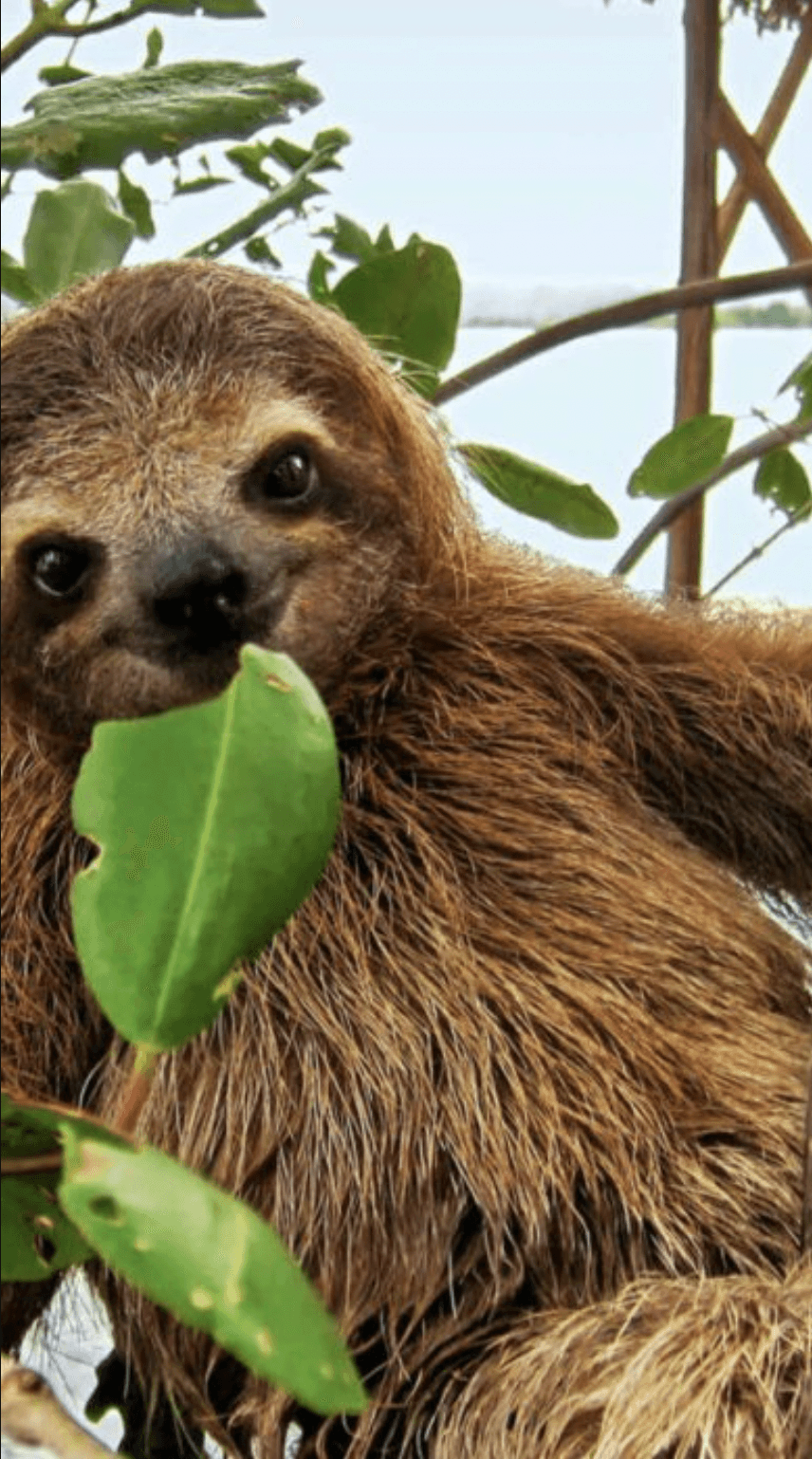
Here's a wild sloth fact for ya: sloths are basically their own little ecosystem.
Their fur can host algae, fungi, insects and other organisms. Their physical environment isn't merely somewhere they happen to live. Their life is intertwined with it.
And while we're hopefully hosting fewer bugs in our hair, our environments affect us too.
But when we're struggling with work, we often immediately try to change ourselves (like thinking: “I need more discipline” OR “I need better focus” OR “I need to stop procrastinating.”)
But sometimes it’s better to ask: “Hey, what does my environment need?”
Could it be headphones?
Maybe you think better around other people or by using body doubling (HELLO, FOCUSED SPACE!).
Maybe your desk needs sunlight or mood lighting. Sometimes, where we sit to work needs to shift: even a slight move of our desk can open us up to a whole new mood.
Instead of demanding that you adapt to every environment, consider creating environments that adapt to you.
Some questions to reflect on
🌿 Do an ecosystem check. Ask:
What's helping me?
What's distracting me?
What's missing?
Then change ONE thing.
Move rooms. Put your phone away. Get water. Change the lighting.
Tiny environmental changes count.
Find your branch
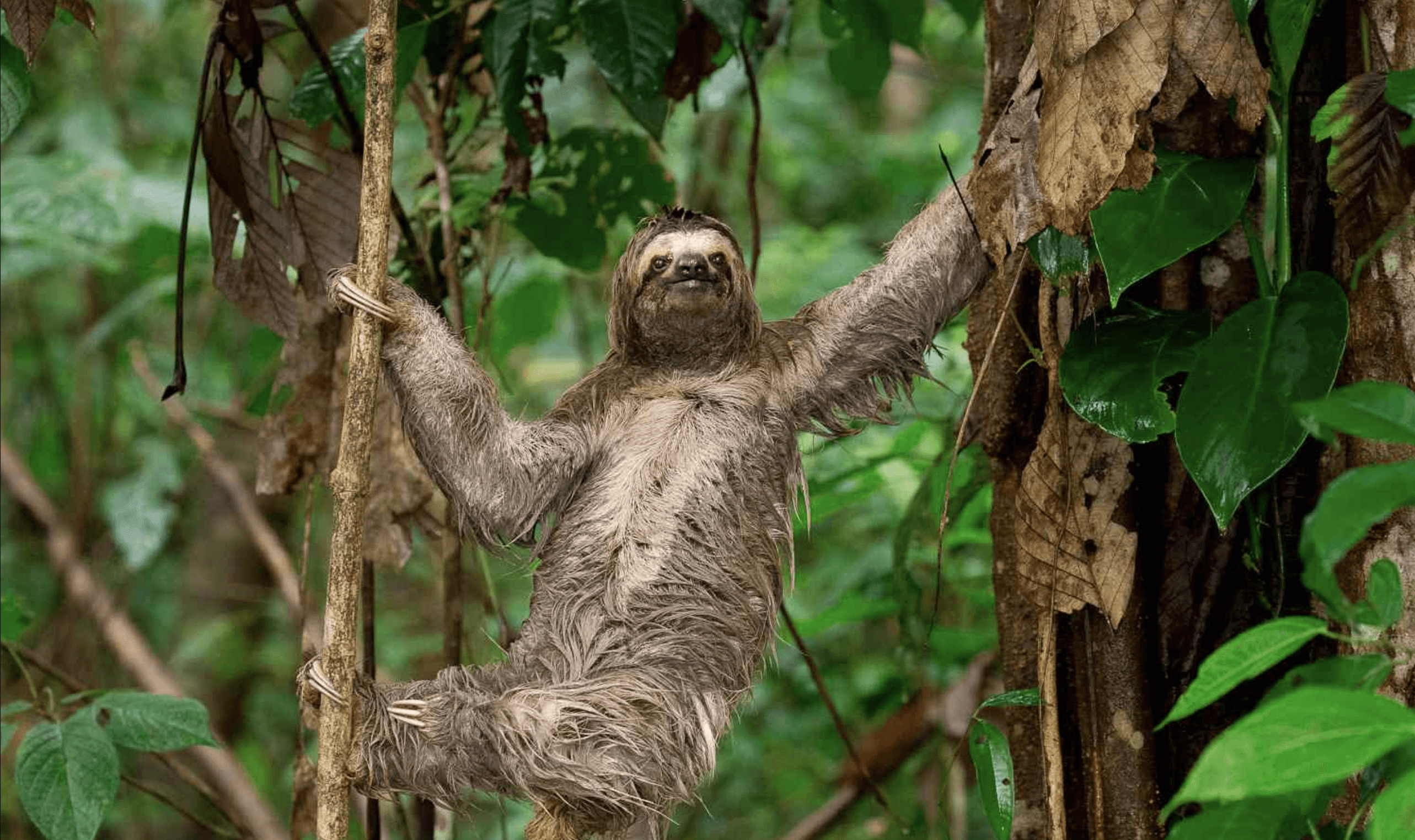
We've spent this guide learning from one extremely slow, extremely endearing animal. And hopefully the takeaway isn't simply: be more like a sloth.
Sloths don't spend their days wishing they had a cheetah's metabolism. They live according to their energy.
They move at a pace their bodies can sustain. And they've adapted remarkably well to the environment they actually inhabit.
What would it look like to give ourselves some of that same consideration?
Maybe you work best early in the morning. Maybe you need people around you. Maybe your brain requires movement. Maybe you need quiet. Maybe you were a tiger on Tuesday, but a sloth on Wednesday.
All of this is helpful input.
So as you finish this week, your job isn't to design the perfect productivity system.
It's to find the “branch” that works best for you: what are the conditions that help you do the things that matter, while still having enough energy left to live your life?
Some questions to reflect on
🌳 Build your branch (by completing these sentences):
🧠 My brain works best when...
⚡ I have the most energy when...
🌿 My environment helps me when...
🤝 The people who help me work are...
🦥 I need permission to do less when...
Keep your answers somewhere you can return to them. Call it your Sloth Operating Manual.
✧˖°. ⋆。˚:✧。
We hope you enjoyed learning from the humble sloth! We had a lot of fun putting this one together for you.
P.S. If you aren't a member of Focused Space, but could use help accomplishing your goals, busting through procrastination, or getting motivated… you are welcome to join us at one of our live guided work sessions, or morning planning sessions!
Take care,
— Mark and the focused space team
This week, we're taking productivity advice from a slightly unconventional expert: the sloth.
Sloths look like they're kinda bad at the evolutionary chain.
They're slow. They’re not very muscular. And they’re sorta the couch potatoes of animals… they sleep A LOT.
Stand a sloth next to animals people tend to be impressed by (like lions, tigers, or bears) and it’s obvious who's getting picked last in gym class.
But, that slowness is a BIG part of the sloth's survival strategy. Sloths have extremely low metabolic rates, and they've adapted their behavior to conserve their limited energy.
And that got us thinking about the way we approach our own productivity.
We often build schedules for an imaginary version of ourselves: where we wake up refreshed every morning, have unlimited attention, never get distracted and can easily move from one task to another all day.
And then reality shows up.
So this week, instead of asking: “Why can't I work like that?” .... We're going to ask a different question: “How do I actually work?”
Because productivity isn't about transforming into some different animal, it's more about understanding the one you already are.
Maybe you’re not a lion, tiger, or bear (and that’s ok!)
Some questions to reflect on
Think about a day when work felt surprisingly easy.
🔎 Where were you?
⏰ What time was it?
👥 Were you alone or with people?
🧠 What kind of work were you doing?
⚡ What was your energy like?
This isn’t meant to be some sort of fix today. Just use this exercise to understand how YOUR particular animal thrives.
Bring the energy of a true treehugger
Here's one of the sloth's greatest tricks: budgeting energy.
Sloths have unusually slow metabolisms. The leaves they eat provide relatively little energy, so they've adapted by using that energy carefully (like sleeping peacefully snuggling trees… ahhhh, one can daydream about such a life).
Humans on the other hand? We look at a calendar, see eight available hours, and assume we have eight equal hours of productivity.
But think about your day. What’s your brain really like at 9am versus 3pm? Does it even feel like the same person’s brain?
We manage our time constantly. But we rarely look into managing energy.
Instead of asking: “When do I have time to do this?”... try asking: “When do I have the right kind of energy to do this?”
Maybe your most cognitively demanding task belongs in your high-energy hours, and something like emails should wait for lower-energy ones.
Some people call that laziness… we call it budgeting.
Some questions to reflect on
Take today's tasks and quickly label them:
🔥 HIGH: Needs real brainpower
🌤️ MEDIUM: Requires some attention
🦥 LOW: I can do this running on fumes
Now compare that list with your energy throughout the day… are you spending your best energy on the work that actually needs it??
Sloooow doesn’t always equal laaaazy
Let's address the elephant (or sloth) in the room:
We don't have a particularly great relationship with doing nothing.
We even use the word sloth to mean lazy. It’s a word that’s literally one of the seven deadly sins!
We live in a culture that often makes activity visible: messages answered, meetings attended, boxes checked, steps counted, streaks maintained. So when we aren't visibly doing something, it can feel like we're falling behind, even, failing…
But slowing down and checking out aren't necessarily the same thing.
Sometimes doing less is intentional.
A slow lunch with someone you love isn't a failure to maximize your lunch hour. A walk without a podcast isn't “wasted learning time.” Staring out a window for ten minutes doesn't necessarily mean you've stopped thinking.
Sometimes our brains need periods when nothing is being demanded of them.
So today, instead of asking, How much did I get done? try asking: What actually mattered?
Those aren't always the same question.
Some questions to reflect on
🌴 Try 10 minutes of intentional nothing time today.
No scrolling, podcast listening, emailing, multitasking.
Just walk. Sit outside. Take your time to drink a coffee. Stare out a window.
IMPORTANTLY, what does your brain do when you stop giving it something to do?
YOU are an ecosystem
Here's a wild sloth fact for ya: sloths are basically their own little ecosystem.
Their fur can host algae, fungi, insects and other organisms. Their physical environment isn't merely somewhere they happen to live. Their life is intertwined with it.
And while we're hopefully hosting fewer bugs in our hair, our environments affect us too.
But when we're struggling with work, we often immediately try to change ourselves (like thinking: “I need more discipline” OR “I need better focus” OR “I need to stop procrastinating.”)
But sometimes it’s better to ask: “Hey, what does my environment need?”
Could it be headphones?
Maybe you think better around other people or by using body doubling (HELLO, FOCUSED SPACE!).
Maybe your desk needs sunlight or mood lighting. Sometimes, where we sit to work needs to shift: even a slight move of our desk can open us up to a whole new mood.
Instead of demanding that you adapt to every environment, consider creating environments that adapt to you.
Some questions to reflect on
🌿 Do an ecosystem check. Ask:
What's helping me?
What's distracting me?
What's missing?
Then change ONE thing.
Move rooms. Put your phone away. Get water. Change the lighting.
Tiny environmental changes count.
Find your branch
We've spent this guide learning from one extremely slow, extremely endearing animal. And hopefully the takeaway isn't simply: be more like a sloth.
Sloths don't spend their days wishing they had a cheetah's metabolism. They live according to their energy.
They move at a pace their bodies can sustain. And they've adapted remarkably well to the environment they actually inhabit.
What would it look like to give ourselves some of that same consideration?
Maybe you work best early in the morning. Maybe you need people around you. Maybe your brain requires movement. Maybe you need quiet. Maybe you were a tiger on Tuesday, but a sloth on Wednesday.
All of this is helpful input.
So as you finish this week, your job isn't to design the perfect productivity system.
It's to find the “branch” that works best for you: what are the conditions that help you do the things that matter, while still having enough energy left to live your life?
Some questions to reflect on
🌳 Build your branch (by completing these sentences):
🧠 My brain works best when...
⚡ I have the most energy when...
🌿 My environment helps me when...
🤝 The people who help me work are...
🦥 I need permission to do less when...
Keep your answers somewhere you can return to them. Call it your Sloth Operating Manual.
✧˖°. ⋆。˚:✧。
We hope you enjoyed learning from the humble sloth! We had a lot of fun putting this one together for you.
P.S. If you aren't a member of Focused Space, but could use help accomplishing your goals, busting through procrastination, or getting motivated… you are welcome to join us at one of our live guided work sessions, or morning planning sessions!
Take care,
— Mark and the focused space team
Join our community
✨ Bust through procrastination with our inspiring community ✨
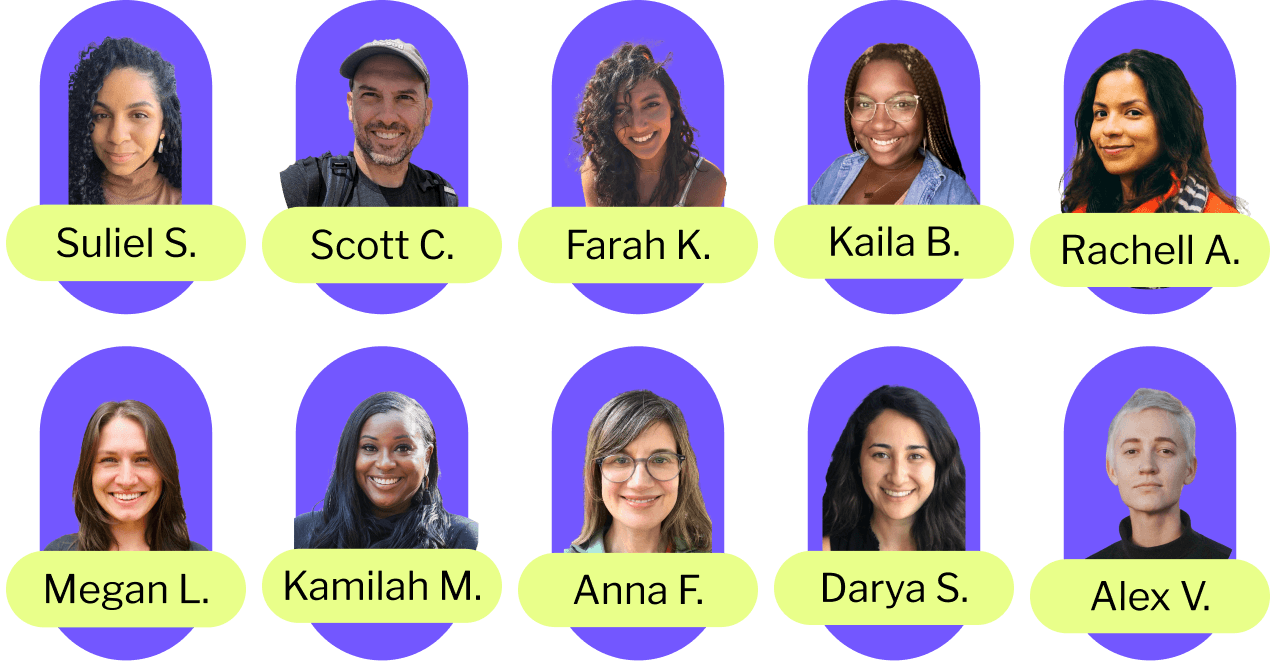
Tap more to learn about focused space
Join our community
✨ Bust through procrastination with our inspiring community ✨
Tap more to learn about focused space
Join our community
✨ Bust through procrastination with our inspiring community ✨